
Physical Space and Scheduling
- Designate a Consultation Area: Allocate a room or dedicated times for mobility assessments. There needs to be adequate time and space for a full assessment and in-depth discussion with the owner, so consider
- A quiet space for consultation/examination, where the patient can be allowed to relax and the examiner and owner can appropriately handle for assessment, and conversation about progress can take place uninterrupted.
- A flat surface of sufficient length to allow for approximately 5-10 seconds of relaxed, loose lead walking for gait analysis. The assessor should be able to view the patient both from the front/back and side. If the space is outdoors, consider how to keep it usable in inclement weather or during darkness if evening consultations are planned.
- Opportunity for discussion between the team members involved in the patient’s care (veterinarian, RVN, physiotherapist and administrator). For stable cases, discussion should be consolidated, but a feedback loop in case more urgent changes are needed is essential to ensure continuity of care. This is particularly important where external services (e.g. physiotherapy, hydrotherapy) are part of the care plan in case pet owner misunderstanding leads to misrepresentation of progress or the plan.
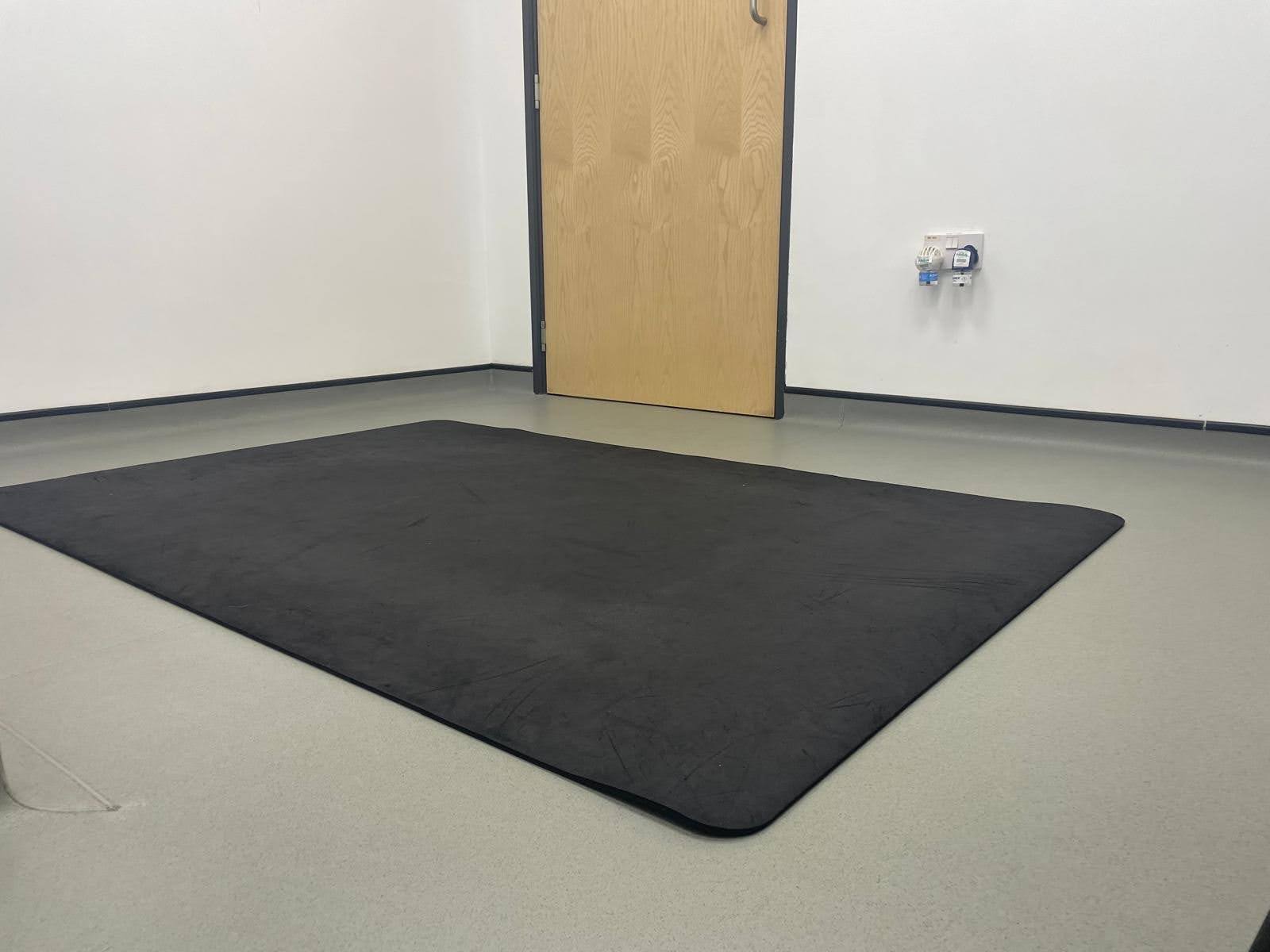
1: Non-slip matting Easy-to-clean floors are often slippery, which can be a challenge in veterinary practices for patients with mobility problems. Investing in some quality non-slip matting can make appointments easier and smoother for everyone
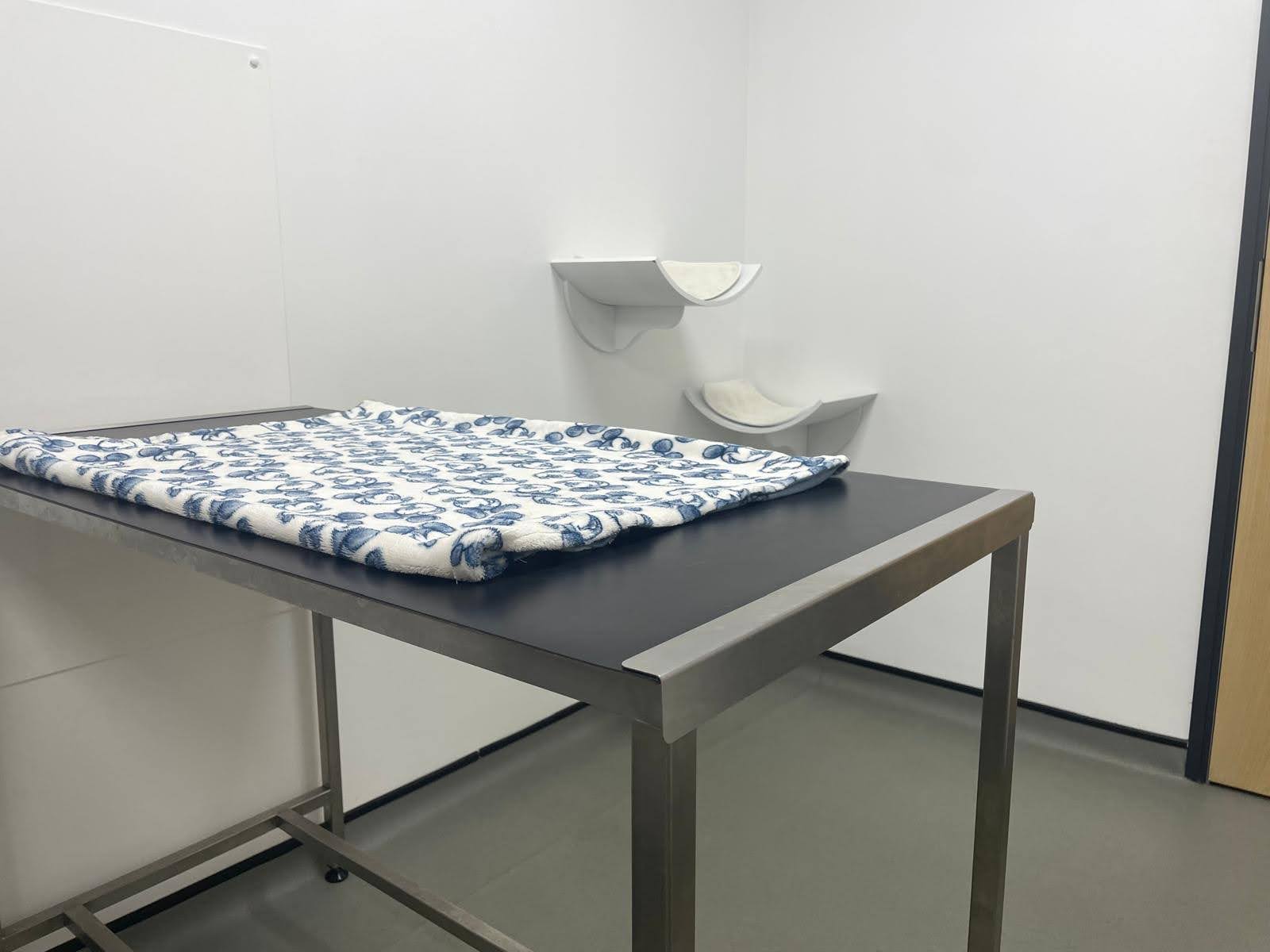
2: Comfort Smaller patients may feel insecure on high tables, especially if the surface is slippery. A warm blanket or towel can help to reassure them and make the examination more comfortable
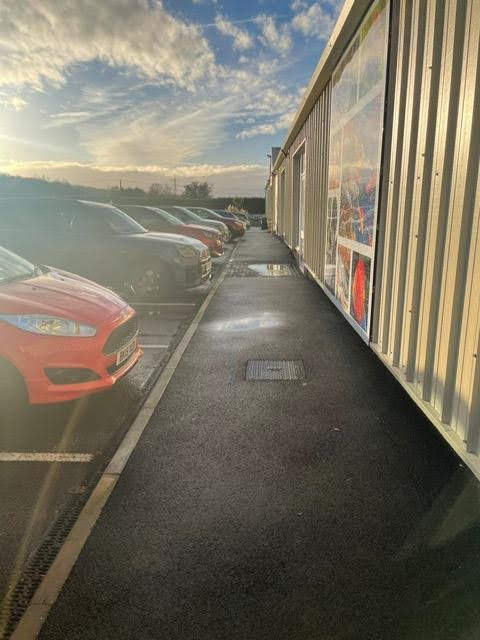
3: Gait analysis any flat straight tarmac or paved area without high traffic is ideal for gait analysis
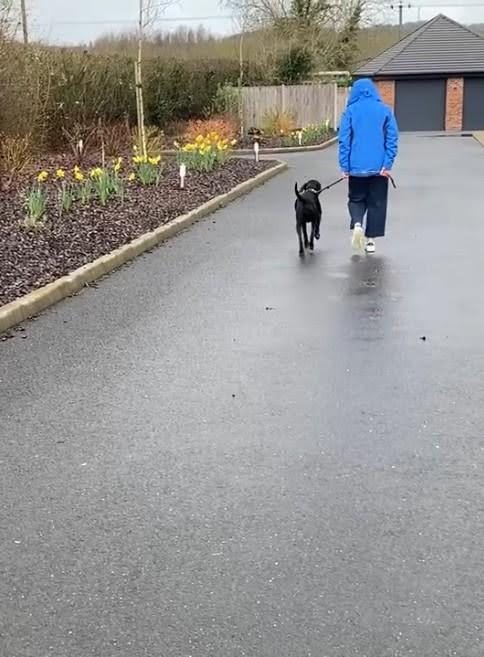
4: Gait analysis any flat straight tarmac or paved area without high traffic is ideal for gait analysis
- Essential Equipment: It’s a good idea to stock a particular consult room or to keep relevant equipment together (e.g. in a toolbox) to avoid items being mislaid or damaged. Consider:
- Client education materials: printed handouts are helpful, plus charts/models to explain concepts, and a dry-wipe board to allow for illustration if needed.
- Mobility clinic-specific materials: checklists, folder of individual patient data if paper records used, functioning and updated computer or tablet if digital records used.
- Clinical metrology instruments: gait scoring charts, pain scoring charts, mobility monitoring, sleep assessment – as applicable
- Mats or soft, non-slip flooring for comfortable examination and manipulation
- Raised platform (consult table) for physical exams
- Scales (regularly calibrated and appropriate size for small and large pets)
- Measuring tape
- Goniometer (smart phone Apps exist that can substitute for a goniometer if preferred)
- Rehabilitation equipment if physiotherapy is in-house.
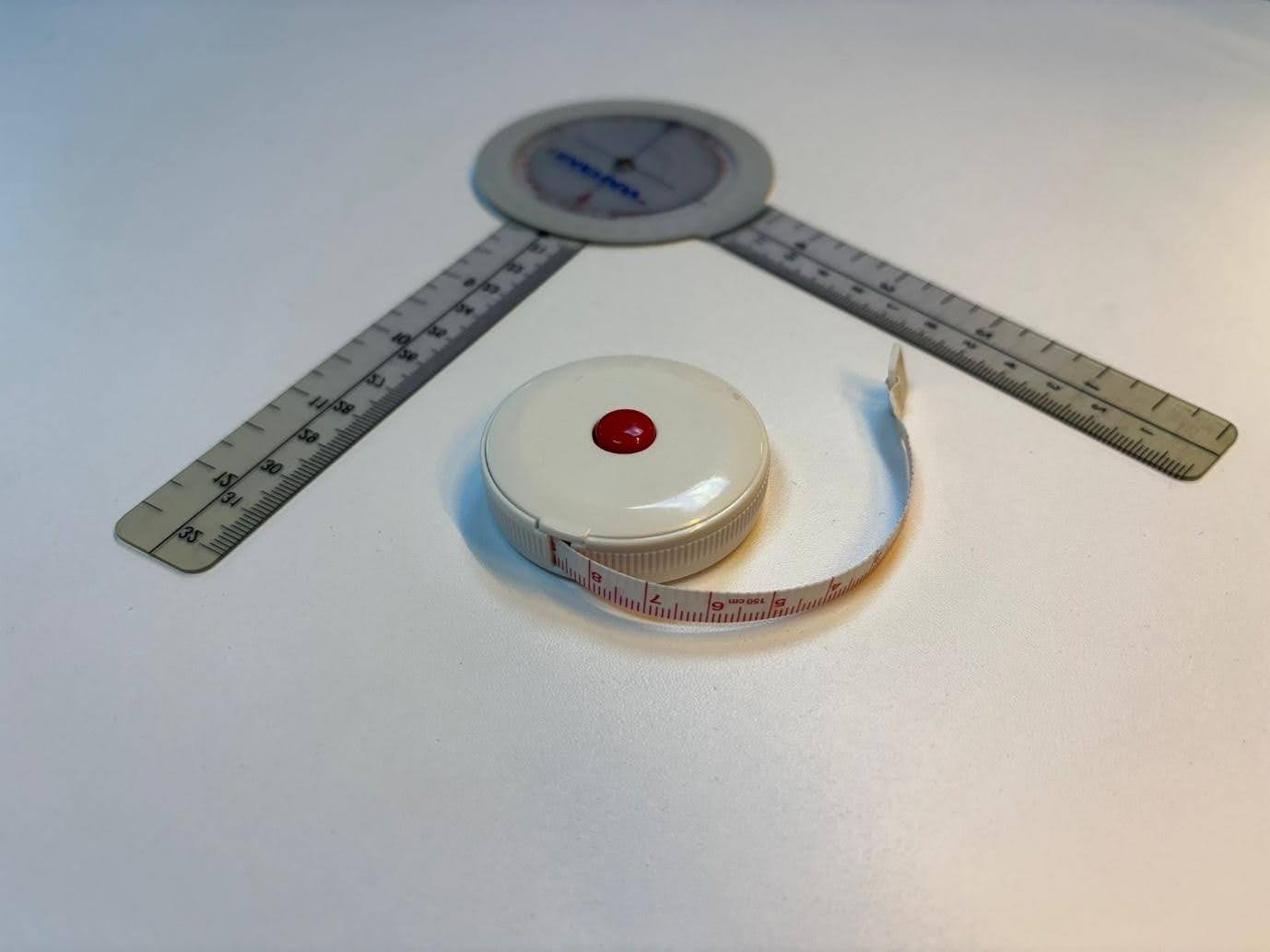
5: Tape measure & gonioscope are both useful means to take objective measurements reflecting joint range-of-motion and muscle mass to assess the impact of mobility interventions
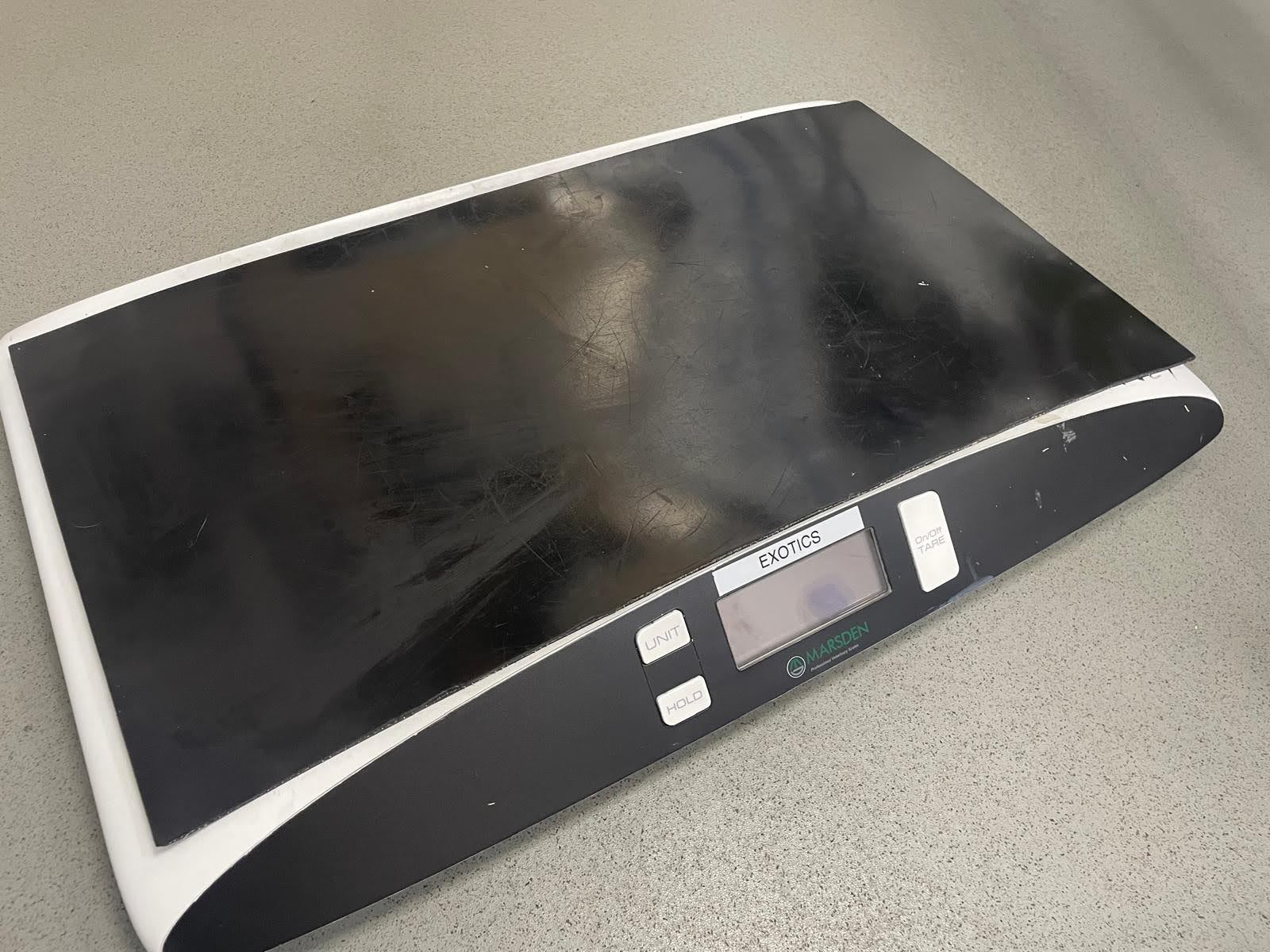
6: Weighing scales Consider a non-slip cover for scales so patients find it easier to hold still during their weight check
- Efficient Scheduling: Block regular appointment slots for mobility assessments; appointments should ideally be grouped around core team availability for easy case discussion and continuity.
- Where it is not possible to have all team members scheduled to work at the same time, especially where some of the OA care team are external (e.g. physiotherapy is outsourced) it is ideal to hold regular rounds to facilitate close working relationships and easy case discussion.
- Consider the use of IT ‘tools’ to smooth communication and facilitate an asynchronous OA clinic: the team is collaborating on care, continue to be kept aware and involved where necessary.
Staffing and Team Roles
A multidisciplinary team is central to operational effectiveness. Roles typically include:
- Veterinarian: Oversees clinical assessment, diagnostics, prescription, advanced interventions, and major clinical decisions.
- It is necessary to recognise that external veterinarians specialising in orthopaedics, neurology, pain or rehabilitation will need to be involved in some cases, and a good idea to approach local referral centres to understand what services they can offer while in the early stages of setting up clinics to identify appropriate referral options ahead of needing them.
- Veterinary Nurse/Technician: Often serves as main clinic coordinator and client liaison. Responsible for:
- Intake assessments and history gathering.
- Routine pain scoring, functional measurement, and mobility checks.
- Owner education, support, and follow-up communication.
- Monitoring compliance and recording progress.
- Physiotherapist (if available): Designs and guides tailored rehabilitation and exercise plans. Assesses advanced functional metrics and supports owner demonstration/training.
- It is not an expectation for every veterinary practice to have a physiotherapist within the team, but familiarity and good working relationships with local practitioners who clients may wish to seek referral to is essential.
- Reception/Support Staff: These team members are often overlooked in their importance to a successful OA clinic. If fully onboarded with the clinics, they can be
- excellent ambassadors for patient recruitment (by identifying those with repeat lameness or OA diagnoses)
- co-ordinators between all team members – especially where liaison with other businesses and handling of referral forms and external reports is needed.
- appointment scheduling
- distributing educational materials and/or clinical metrology questionnaires for completion between in-clinic appointments, as well as
Training and Clinical Resources
- Team members should be trained in OA pathology, pain scoring (LOAD, Glasgow Pain Scale), tri-sectoral clinical assessment (joint, pain, mobility), and client communication strategies.
- Resources such as the “Vet-IMPACT Toolkit” (or similar mobility clinic guides), pre-prepared handouts, owner questionnaires, and standardised record-keeping templates greatly enhance efficiency.
- Cross-training of the whole team to know and understand the use of such tools helps to ensures continuity if staff members are absent.