
The veterinary team are key to the development of individualised exercise plans for dogs and cats diagnosed with OA. A key element being educating pet owners how to exercise their pets, taking into consideration: terrain, duration, fatigue recognition, joint protection and the physiological rationale underpinning each recommendation.
OA is characterised by progressive degeneration of articular cartilage, subchondral bone remodelling, synovial inflammation, and periarticular changes. These alterations result in pain, stiffness, and reduced range of motion.
Reduced activity, while it may initially seem to decrease discomfort, leads to further muscle hypotrophy, fibrosis, and joint instability, perpetuating the disease process. Appropriate, prescribed physical activity is therefore essential for maintaining joint health and reducing secondary complications.
The primary goal of exercise in OA management is to preserve mobility, support muscle strength, and enhance proprioception, all while minimising pain and preventing further joint injury. Regular, controlled exercise can improve circulation, stimulate synovial fluid production, and maintain cartilage nutrition. However, excessive or inappropriate activity, especially on hard or uneven surfaces, can exacerbate pain, increase joint loading, and accelerate disease progression.
Veterinary professionals must balance these considerations, tailoring recommendations to each patient’s clinical status and individual needs.
The veterinary team, including vets and RVNs can help to design a structured exercise plan for patients with OA, while working within their scope of practice.
A Veterinary Physiotherapist can be extremely useful to develop a tailored, therapeutic exercise plan, targeting gait pattern adaptations and muscle hypotrophy, while addressing any muscular compensatory pain and discomfort. They physically examine the patient and assess their gait pattern, identifying key areas that need attention. They will often add in the use of specialised equipment such as Cavaletti poles, to assist in improving muscle mass and proprioceptive awareness.
Recognition of Fatigue
Clinical Signs
To develop an exercise plan, it is important to recognise early signs of fatigue, to prevent overexertion and exacerbation of OA symptoms. Signs of fatigue in dogs and cats include:
- Slowing pace or reluctance to continue moving
- Lagging behind during walks (dogs)
- Increased panting or breathing effort
- Lameness or limping, especially towards the end of exercise
- Frequent stops or lying down
- Reluctance to jump, climb stairs, or engage in play
- Stiffness or difficulty rising after rest
- Behavioural changes such as irritability or withdrawal
Veterinary teams should instruct owners to closely monitor their pets for these signs during and after exercise.
Keeping a daily log of activity, observed symptoms and recovery can facilitate early detection of exercise intolerance. Any increase in lameness, stiffness, or pain, during or post-exercise warrants a reduction in intensity or duration and may indicate the need for reassessment.
Response To Signs of Fatigue
- Immediately cease exercise if signs of fatigue or discomfort are observed.
- Allow rest and provide access to a comfortable, supportive resting area.
- Reassess the exercise plan, reducing intensity or duration as appropriate.
- Consider involving a veterinary physiotherapist who can structure a tailored, home exercise plan
Terrain Considerations
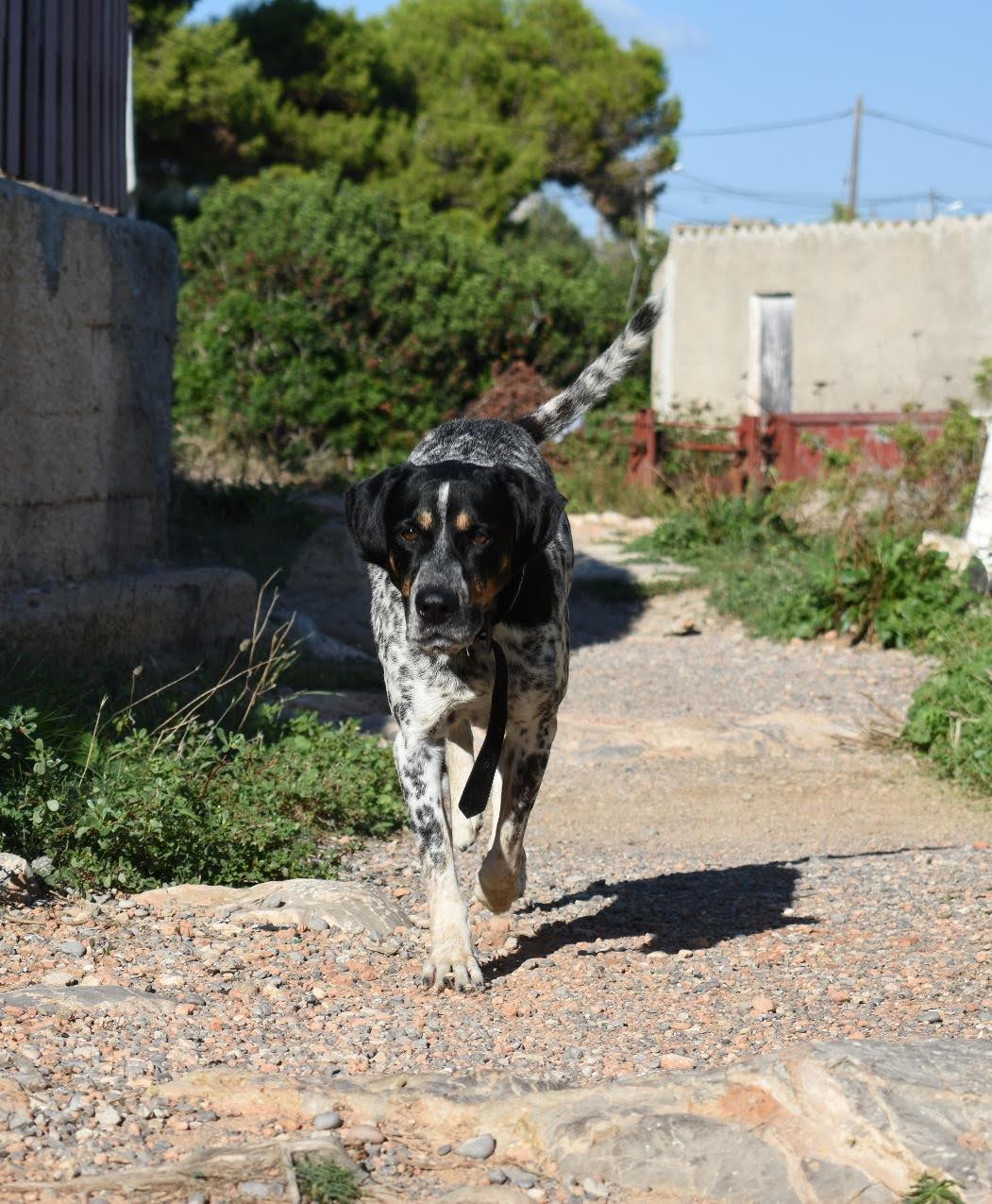
The type of surface on which a pet with OA exercises significantly influences joint loading and the risk of exacerbating clinical signs. Common terrains include grass, sand, gravel, concrete, tarmac, and indoor flooring (such as wood, vinyl, or carpet). Each surface presents unique advantages and challenges for patients with OA.
Impact on Joint Loading
Soft, even surfaces, such as short grass or well-maintained dirt tracks provide optimal shock absorption, reducing concussive forces transmitted to affected joints. Sand, while also soft, may increase muscular effort due to its unstable nature, potentially fatiguing OA patients more rapidly.
Hard surfaces, including concrete and tarmac, offer minimal shock absorption and can significantly increase joint concussion.
Irregular or slippery surfaces (e.g., wet grass, polished floors) might increase the risk of slips and falls, which may risk an acute injury or exacerbation of chronic pain.
It is important, as always, for both owners and vet team members to carefully watch the patient; you will find they often choose surfaces that suit them. For instance, we might assume a softer surface could be preferable, yet they may choose to walk on a harder surface at it may be more comfortable for them.
Recommendations for Safe Surfaces
- Prioritise exercise on ‘resilient’ surfaces such as grass or dirt paths, taking into account their preference and clinical signs both during and after exercise.
**Key Point: Resilient Surfaces: surfaces are those which withstand impact and provide some cushioning, helping to reduce the risk of injury from falls and provide a comfortable walking or playing surface. Playgrounds (for kids) and parks for dogs – have plenty!
- Avoid prolonged activity on hard or slippery surfaces; where unavoidable, limit duration and closely monitor for signs of discomfort.
- For indoor exercise, use non-slip mats or carpets to provide secure footing.
- Sand may be utilised with caution for short, low-intensity sessions, recognising the increased muscular demand.
- Steep inclines or uneven ground should be approached with caution, with constant monitoring needed. We are likely to avoid these areas in severely affected animals.
Exercise Duration and Frequency
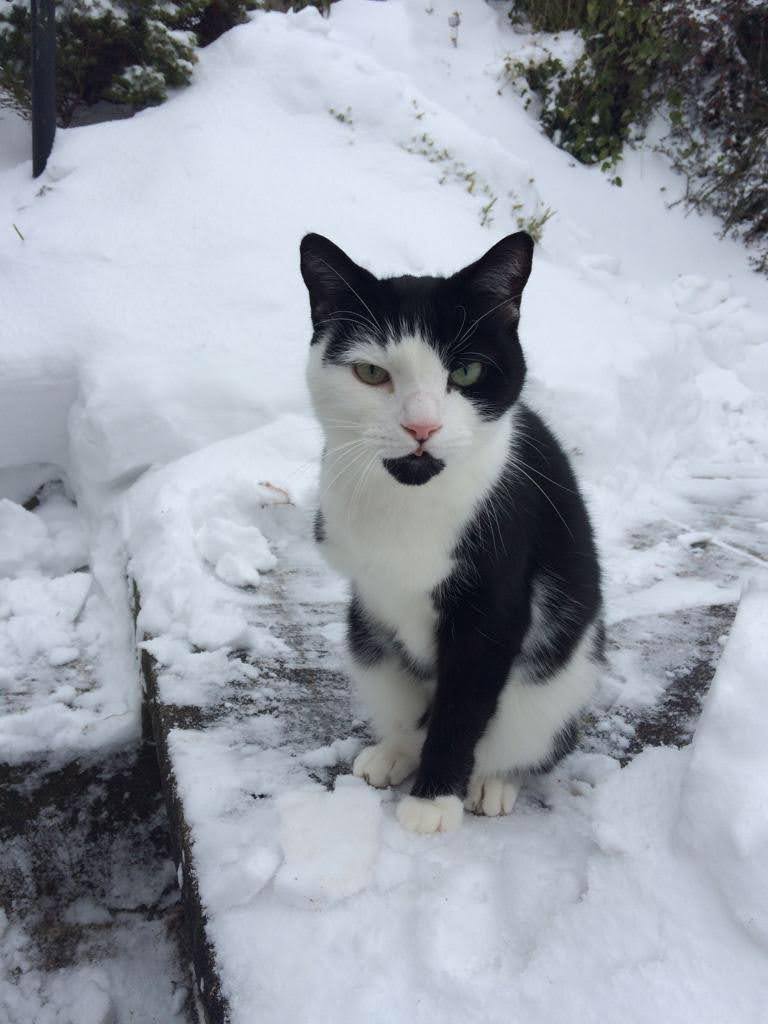
OA patients often benefit from shorter, more frequent, low-impact exercise rather than infrequent, prolonged sessions.
For dogs, walks may initially be two to four times daily, depending on the severity of the disease and current pain status. Cats may benefit from several short, interactive play sessions dispersed throughout the day. The key is to avoid overexertion and allow ample recovery between activities.
Exercise frequency should be consistent, with gradual increases in duration and complexity as tolerated. Veterinary teams should implement a progressive plan, increasing activity only if the pet remains comfortable and free from post-exercise stiffness or lameness.
Owners should be educated on the importance of rest days and the avoidance of “weekend warrior” scenarios, which may precipitate flare-ups.
Minimising Joint Concussion
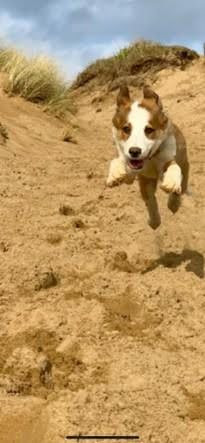
Minimising concussive forces on affected joints is paramount in OA management.
Techniques include:
- Choosing soft, even terrain as previously discussed.
- Check the harness or collar fits correctly and is not adding to joint restriction and altered gait patterns
- Employing ramps or steps to reduce the need for jumping or climbing, particularly for cats accessing furniture or windowsills.
- Encouraging controlled, steady-paced activity rather than sudden bursts, sharp turns, or high-impact play.
Importance of Exercise in Osteoarthritis Management
Synovial Joint Health
Regular, controlled exercise facilitates the movement of synovial fluid within joints, promoting cartilage nutrition and waste removal. Synovial fluid acts as a lubricant and shock absorber, and its production is stimulated by joint movement. Inactivity leads to reduced synovial fluid flow, cartilage dehydration, and accelerated degenerative changes.
Muscle Mass and Power
Maintaining muscle mass is critical for joint stability and function. Exercise can counteract the muscle hypotrophy commonly seen in pets with OA. Muscle can help absorb and dissipate forces that would otherwise be transmitted directly to the joints, thereby reducing pain and improving mobility. Targeted strengthening exercises can be prescribed by a veterinary physiotherapist.
Proprioception
Proprioception—the sense of joint position and movement—is often impaired in OA due to pain and disuse.
With age, proprioceptive receptors sensitivity and quantity can decline, leading to a reduced ability to detect joint position and movement.
Regular physical activity helps preserve and enhance proprioceptive function. This reduces the risk of falls and further injury, supporting independence and confidence in movement.
Mental Wellbeing
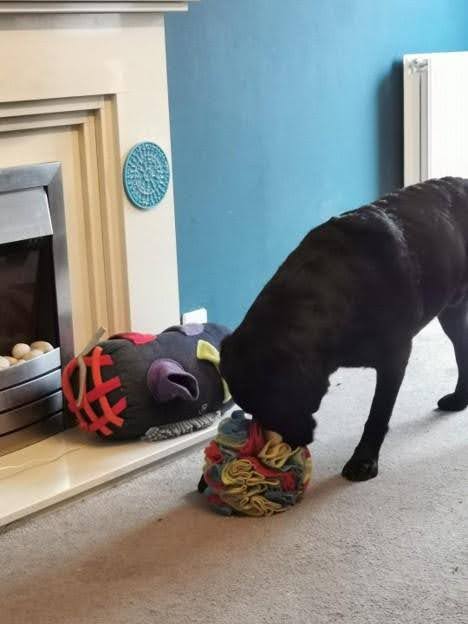
Exercise provides essential mental stimulation, reducing anxiety, frustration, and the behavioural consequences of chronic pain. Engaging activities tailored to the animal’s abilities, such as scent games and snuffle balls for dogs or interactive toys for cats, foster positive owner-pet interactions and enhance overall quality of life. Engagement and play should not be underestimated in the holistic management of OA.
Owner education
Each OA patient presents unique challenges based on species, breed, age, body condition, comorbidities, and disease severity. Exercise plans must be tailored to these factors, beginning with a comprehensive assessment of mobility, pain, and current activity levels. Regular re-evaluation and adjustment ensure that the plan remains appropriate as the animal’s condition evolves.
At the initial consultation it is useful to explore the pet’s usual daily routine and activities of daily living and then help the owner understand what changes and adaptations are needed.
Successful exercise management depends on informed, engaged owners. Veterinary teams should provide clear guidance on:
- Recognising signs of fatigue, pain, and overexertion
- Monitoring and recording activity and symptoms
- Implementing recommended environmental modifications
- Balancing exercise with rest and recovery
- Adhering to scheduled rechecks for ongoing assessment
Optimal OA management often involves collaboration with vets, physiotherapists, veterinary nurses, and, where appropriate, behaviourists. Physical rehabilitation techniques, such as hydrotherapy, targeted strengthening, and manual therapies, can complement home exercise plans. Regular communication between all members of the care team ensures continuity and maximises outcomes.
Exercise is a vital component of osteoarthritis management in dogs and cats, supporting joint health, muscle strength, proprioception, and mental wellbeing. Careful consideration of terrain, exercise duration, and intensity, coupled with vigilant monitoring for fatigue and appropriate environmental adaptations, enables OA patients to maintain mobility and quality of life.
Individualised, evidence-based exercise plans, developed collaboratively by the veterinary team and owners, are essential for optimal outcomes. Ongoing education, reassessment, and multidisciplinary support underpin best practice in the management of this challenging condition.
References
- Bennett, D., et al. (2012). Osteoarthritis in the dog: A review of pathophysiology, diagnosis, and management. Veterinary Journal, 193(3), 307–313.
- Enomoto, M., et al. (2020). Clinical management of canine osteoarthritis. Frontiers in Veterinary Science, 7, 220.
- Hunter, L., et al. (2021). Feline osteoarthritis: Clinical features and management. Journal of Feline Medicine and Surgery, 23(2), 119–132.
- Millis, D.L., & Levine, D. (2014). Canine Rehabilitation and Physical Therapy. 2nd Edition. Saunders.
- Rychel, J.K. (2010). Diagnosis and treatment of osteoarthritis. Topics in Companion Animal Medicine, 25(1), 20–25.
- Vogels, R.R.C., et al. (2018). The role of exercise in the management of osteoarthritis. Veterinary Record, 183(19), 599–603.
- WSAVA Global Pain Council Guidelines (2022). Assessment and management of chronic pain in companion animals.